
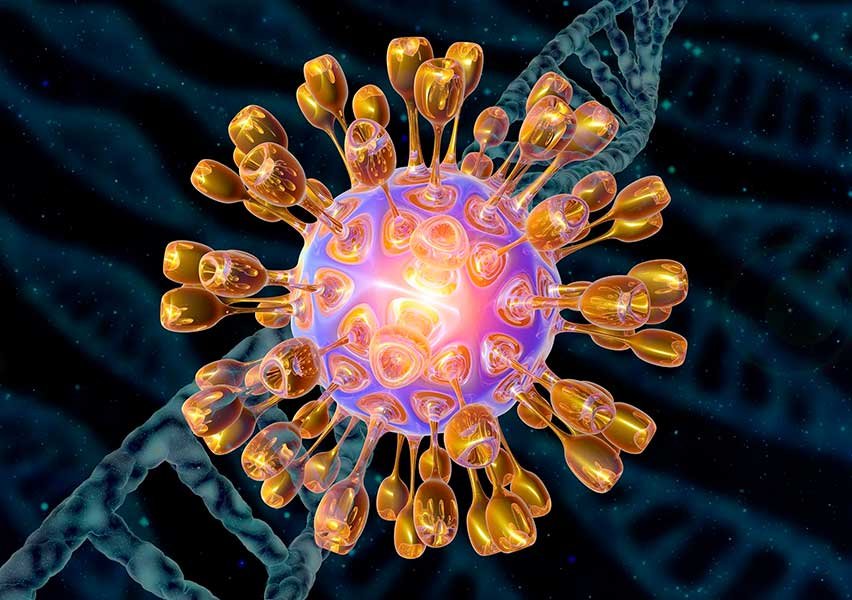
Herpes Simplex Virus (HSV) is one of the most common viral infections in the world — affecting millions of people across all age groups. Despite its prevalence, many still misunderstand how herpes works, how it spreads, and how it can be effectively managed.
This guide explores everything you need to know about Herpes Simplex, including its causes, symptoms, transmission, and the best modern treatments available to control outbreaks and reduce transmission.
What Is the Herpes Simplex Virus (HSV)?
Herpes Simplex refers to two closely related viruses that cause lifelong infections in humans:
- HSV-1 (Herpes Simplex Virus Type 1) – primarily causes oral herpes, leading to cold sores or fever blisters around the mouth and lips.
- HSV-2 (Herpes Simplex Virus Type 2) – most often causes genital herpes, resulting in blisters or sores in the genital and anal areas.
Once a person is infected, the virus remains dormant in nerve cells and can reactivate at any time, causing recurring outbreaks.
How Common Is Herpes Simplex?
According to the World Health Organization (WHO), more than 3.7 billion people under age 50 have HSV-1, and about 491 million people are living with HSV-2 globally.
Herpes is highly contagious, but it’s manageable with the right medical care and preventive steps.
Symptoms of Herpes Simplex
While some people experience noticeable symptoms, others may carry the virus without any visible signs — yet can still transmit it to others.
Common Symptoms of Oral Herpes (HSV-1):
- Tingling or burning sensation around the lips or mouth
- Painful, fluid-filled blisters (cold sores)
- Swelling, redness, or crusting as sores heal
Common Symptoms of Genital Herpes (HSV-2):
- Itching, burning, or discomfort in the genital area
- Clusters of small, painful blisters or ulcers
- Pain during urination
- Flu-like symptoms during the first outbreak (fever, headache, swollen lymph nodes)
Outbreaks usually last 7 to 14 days, and the virus can remain inactive for months or even years before reappearing.
How Does Herpes Spread?
Herpes simplex spreads mainly through direct skin-to-skin contact.
- HSV-1: Transmitted through kissing, sharing drinks, utensils, or lip balm.
- HSV-2: Spread through sexual contact — vaginal, anal, or oral.
- Both viruses can spread even without visible sores, through a process called asymptomatic viral shedding.
What Triggers a Herpes Outbreak?
After the initial infection, HSV stays hidden in the body’s nerve cells. Certain triggers can cause it to reactivate, including:
- Stress or fatigue
- Illness or weakened immune system
- Hormonal changes (menstruation, pregnancy)
- Exposure to sunlight or cold weather
- Poor diet or lack of sleep
Diagnosis and Testing
Herpes can be diagnosed through:
- Visual examination of sores
- PCR (polymerase chain reaction) tests to detect the virus’s DNA
- Blood tests to identify HSV antibodies, confirming past infection
If you suspect herpes infection, consult a healthcare provider for testing and treatment recommendations.
Effective Treatments for Herpes Simplex
While there is no permanent cure for herpes, modern antiviral medications can control symptoms, reduce outbreaks, and lower the risk of transmission.
1. Prescription Antivirals
- Acyclovir (Zovirax)
- Valacyclovir (Valtrex)
- Famciclovir (Famvir)
These medications can be used during outbreaks or daily as suppressive therapy for people who experience frequent recurrences.
2. Over-the-Counter and Home Remedies
- Topical creams like docosanol (Abreva) may speed healing.
- Cold compresses can relieve pain and swelling.
- Healthy lifestyle habits (rest, hydration, and nutrition) help strengthen the immune system.
Living With Herpes: Reducing Stigma and Managing Long-Term
Having herpes does not define who you are. Millions of people live normal, healthy lives with HSV. The key is awareness, communication, and treatment adherence.
To reduce transmission:
- Avoid direct contact during outbreaks.
- Use condoms or dental dams during sexual activity.
- Discuss your condition openly with partners.
- Take prescribed antiviral medication consistently.
Can Herpes Be Prevented?
You can lower your risk of infection by:
- Avoiding intimate contact during visible outbreaks
- Not sharing drinks, utensils, or personal items
- Using lip balm with SPF to protect against UV triggers
- Maintaining a strong immune system through proper sleep and stress management
The Future of Herpes Treatment
Researchers are actively developing herpes vaccines and gene-editing therapies aimed at long-term suppression or potential eradication of HSV. While no approved cure exists yet, new scientific advances offer hope for more effective management in the near future.
Final Thoughts
Herpes Simplex Virus (HSV-1 and HSV-2) is extremely common, yet manageable. With proper medical care, lifestyle adjustments, and preventive practices, people living with herpes can reduce outbreaks and transmission — and live confidently and healthily.
If you experience recurring symptoms, talk to your healthcare provider about antiviral medications like Acyclovir, Valacyclovir, or Famciclovir to control outbreaks and maintain long-term relief.
🔑 SEO Keywords Included: herpes simplex, HSV-1, HSV-2, oral herpes, genital herpes, herpes symptoms, herpes treatment, antiviral medication, acyclovir, valacyclovir, famciclovir, cold sores, genital sores, how to prevent herpes, herpes virus management.