
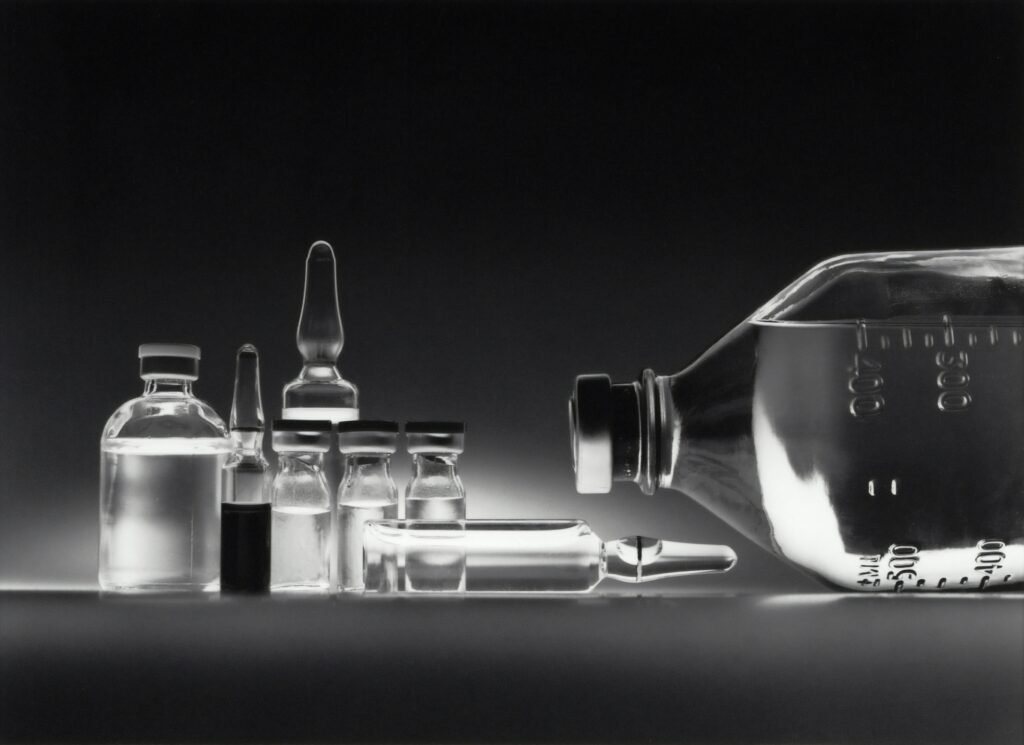
Herpes is a common viral infection that can cause a range of symptoms, from mild to severe. Often associated with painful sores and blisters, herpes infections can significantly impact a person’s quality of life. Fortunately, medical science has developed antiviral drugs specifically designed to combat the herpes simplex virus, offering relief and management for those affected. In this article, we will delve into the various antiviral medications available, how they work to suppress the virus, and what you can expect in terms of benefits and potential side effects. Understanding these treatment options is crucial for individuals looking to take control of their herpes symptoms and lead a more comfortable life.
Discovering Nature’s Most Potent Herpes Antiviral
Discovering Nature’s Most Potent Herpes Antiviral
The quest to unearth the most efficacious natural antiviral against herpes is a testament to the relentless pursuit of alternative medical solutions. Herpes simplex viruses, responsible for conditions such as cold sores and genital herpes, have been a significant target in the development of antiviral treatments. While conventional medicine offers several pharmaceutical options such as acyclovir and valacyclovir, growing interest has pivoted toward natural compounds with antiviral properties.
In exploring nature’s arsenal, researchers have identified a number of substances that exhibit promise in suppressing herpes virus activity:
– **Aloe Vera**: Known for its soothing and healing properties, this plant has also exhibited potential as a topical treatment for herpes sores.
– **Honey**: Specifically, Manuka honey has been observed to have potent antiviral effects against the herpes virus when applied to lesions.
– **Tea Tree Oil**: This essential oil has been lauded for its antiseptic qualities and may help in reducing the duration and severity of herpes outbreaks when used cautiously.
– **Echinacea**: Often used to bolster the immune system, Echinacea has also shown the capacity to fight herpes virus replication.
Researchers continue to delve into the complexities of natural compounds, aiming to understand their mechanisms of action. For example, a compound may inhibit the virus by interfering with its ability to replicate or by enhancing the body’s immune response to the viral infection. The second most likely way a natural antiviral might work is by preventing the virus from entering cells or by disrupting the viral envelope, which is essential for its survival and multiplication.
The journey to identify the most potent natural herpes antiviral involves:
1. **Screening Natural Substances**: Systematically testing various plants, herbs, and other natural products to assess their antiviral capabilities.
2. **Laboratory Studies**: Conducting in vitro (test tube) and in vivo (animal) experiments to understand the safety and efficacy of these candidates.
3. **Clinical Trials**: Advancing promising candidates to human trials to confirm their therapeutic potential and ascertain appropriate dosages and delivery methods.
It’s crucial to approach claims of a ‘natural cure’ for herpes with cautious scrutiny. While some natural remedies may provide relief and potentially reduce the frequency and severity of outbreaks, they are not a substitute for professional medical advice and treatment. Moreover, individuals interested in trying natural antivirals should consult with healthcare professionals to avoid any adverse interactions with existing medications and to ensure the chosen remedy is appropriate for their specific health condition. The quest for nature’s most potent herpes antiviral is an ongoing narrative, one that intertwines traditional wisdom with modern scientific inquiry, offering hope for safe and accessible treatments.
New Daily Antiviral Pill Battles Herpes Effectively
New Daily Antiviral Pill Battles Herpes Effectively
Herpes is a common and persistent infection that affects millions of individuals worldwide. The introduction of a new daily antiviral pill represents a significant advancement in the management of herpes simplex virus (HSV). This innovative treatment offers a promising alternative to existing therapies, with the potential to improve the quality of life for those living with herpes.
When discussing antiviral drugs for herpes, the efficacy and safety profile of the medication are paramount. The new daily pill is designed to target the virus with precision, aiming to reduce the frequency and severity of outbreaks. This is crucial for those who experience recurrent symptoms, as it can help minimize the physical and psychological discomfort associated with the infection.
Key aspects of this novel antiviral therapy include:
– **Mechanism of Action**: The pill works by interfering with the virus’s ability to replicate, which is essential for reducing the viral load in the body.
– **Dosage and Administration**: Typically taken once daily, the medication offers a convenient regimen that may enhance adherence compared to treatments requiring multiple doses per day.
– **Resistance Profile**: Continuous research into the drug’s effectiveness helps ensure that it remains a viable option in the face of potential viral resistance.
The impact of the new antiviral pill on those with herpes can be outlined as follows:
1. **Symptom Management**: By suppressing viral activity, the pill can diminish the intensity and frequency of herpes outbreaks.
2. **Transmission Reduction**: Ongoing treatment not only benefits the individual but may also lower the risk of transmitting the virus to others.
3. **Psychological Benefits**: With fewer outbreaks, individuals may experience less anxiety and improved overall well-being.
In summary, the development of a new daily antiviral pill for herpes is a noteworthy achievement in antiviral pharmacotherapy. It stands to offer enhanced control over the disease, thereby easing the burden for countless individuals affected by HSV. As research continues and clinical experience with the medication grows, we anticipate a positive shift in how herpes is managed in the future.
Optimizing Valacyclovir Dosage for Herpes Treatment
Optimizing Valacyclovir Dosage for Herpes Treatment
When addressing the management of herpes simplex virus infections, valacyclovir stands out as an antiviral medication of choice for many clinicians.
This prodrug of acyclovir is favored for its enhanced absorption and prolonged duration of action, allowing for less frequent dosing and, consequently, better patient adherence. To optimize the effectiveness of valacyclovir, it is crucial to tailor the dosage based on the specific herpes infection being treated and the individual needs of the patient.
The following points are key considerations in determining the appropriate valacyclovir regimen:
– Type of Herpes Infection: The herpes simplex virus presents in two main types, HSV-1 and HSV-2, which may necessitate different dosing strategies. Moreover, the drug is also used for varicella-zoster virus, which causes shingles.
– Severity and Stage of Infection: Initial outbreaks typically require more aggressive treatment compared to recurrent episodes. For severe infections, higher doses may be necessary.
– Patient’s Immune Status: Immunocompromised individuals might require adjustments in dosing to ensure efficacy while minimizing potential resistance.
– Frequency of Recurrences: Patients with frequent recurrences may benefit from suppressive therapy, which involves a daily dose to help prevent outbreaks.
An optimal dosing regimen for valacyclovir might look like this:
1. Primary Genital Herpes: An initial flare-up may warrant a higher dose, such as 1 gram (1000 mg) taken twice daily for up to 10 days.
2. Recurrent Genital Herpes: For episodic treatment, a typical dose might be 500 mg twice daily for three days.
3. Suppressive Therapy: For chronic management to reduce the likelihood of recurrence, 500 mg once daily may be prescribed. Doses might be increased to 1 gram daily depending on recurrence frequency and patient response.
4. Herpes Zoster (Shingles): A higher dose of 1 gram three times daily for seven days is often recommended to combat this more severe infection.
5. Cold Sores (Herpes Labialis): For the intermittent treatment of cold sores, a short course of 2 grams taken twice in one day may be effective.
It is crucial to initiate treatment with valacyclovir at the earliest sign of an outbreak for maximal effect. The timing of the medication can significantly influence its efficacy. Furthermore, while valacyclovir is generally well-tolerated, potential side effects such as headache, nausea, and abdominal pain should be monitored.
To conclude, the optimization of valacyclovir dosage is a nuanced process, requiring a balance between the clinical presentation of herpes and individual patient factors. Healthcare providers must assess these elements to establish an effective and safe treatment plan, ensuring that patients receive the full therapeutic benefit of this antiviral agent. Regular evaluation and adjustment of the treatment regimen may be necessary, especially in the context of changing health status or the emergence of drug resistance.
Top Over-the-Counter Herpes Treatments Ranked
Top Over-the-Counter Herpes Treatments Ranked
When it comes to managing herpes, whether it’s oral or genital, the aim is to alleviate symptoms and reduce the frequency of outbreaks. A handful of over-the-counter (OTC) options exist that can assist with this, though it’s important to remember that while these treatments can provide relief, they are not curative and antiviral medications prescribed by a healthcare provider are the most effective at controlling herpes.
Here are some of the top OTC herpes treatments, ranked by their popularity and effectiveness:
1. **Docosanol (Abreva)**
– Purpose: Reduces the duration of cold sore symptoms
– Form: Cream
– Application: Applied at the first sign of a tingle, itch, or bump
– Effectiveness: Can speed up healing time if applied several times a day at the onset of symptoms
2. **Lysine Supplements**
– Purpose: Amino acid that may help prevent outbreaks
– Form: Pills or cream
– Application: Taken daily or applied as a cream to the affected area
– Effectiveness: Some studies suggest it may reduce the frequency of outbreaks, but results vary
3. **Phenol and Camphor (Campho-Phenique)**
– Purpose: Provides pain relief and antiseptic properties
– Form: Gel or liquid
– Application: Applied directly to the sore
– Effectiveness: Offers temporary relief for discomfort but does not accelerate healing
4. **Benzocaine and Lidocaine**
– Purpose: Topical anesthetics that numb the area
– Form: Ointments, gels, sprays
– Application: Applied to the affected area for temporary pain relief
– Effectiveness: Does not reduce duration of outbreaks but can provide comfort during active symptoms
5. **Tea Tree Oil**
– Purpose: Natural antiseptic that may have antiviral properties
– Form: Essential oil
– Application: Diluted and applied to the affected area
– Effectiveness: Anecdotal evidence suggests it can help with symptoms, but clinical research is limited
6. **Propolis**
– Purpose: A resin made by bees that might have healing properties
– Form: Ointment
– Application: Applied to the cold sore
– Effectiveness: Some studies indicate it can improve healing times
7. **Hydrogen Peroxide**
– Purpose: Disinfectant that may help keep the area clean
– Form: Liquid
– Application: Applied with a cotton swab to the sore
– Effectiveness: Helps to cleanse but may not necessarily speed up healing
It is essential to note that these OTC treatments are most beneficial when used at the very beginning of an outbreak. Early intervention can mitigate severity and possibly reduce the duration of symptoms. Additionally, maintaining a strong immune system through a balanced diet, regular exercise, and adequate sleep can help manage the frequency of herpes flare-ups.
If OTC treatments do not provide sufficient relief or if outbreaks are frequent and severe, it is advisable to consult a healthcare provider. Prescription antiviral drugs such as acyclovir, valacyclovir, and famciclovir are the gold standard for herpes management and can be used for both episodic treatment and suppressive therapy to lower the risk of transmission and reduce the frequency of outbreaks.
In summary, while OTC treatments can offer some relief, they should be viewed as complementary to the more effective prescribed antiviral medications. Managing herpes effectively involves a combination of lifestyle adjustments, OTC remedies, and possibly prescription medication as directed by a healthcare professional.
In conclusion, antiviral drugs play a crucial role in managing herpes infections by reducing the severity and frequency of outbreaks. While there is currently no cure for herpes, these medications offer a means to control symptoms and improve the quality of life for those affected. Remember to consult with your healthcare provider for the most appropriate treatment options tailored to your individual needs. We hope this article has provided valuable insights into the world of antiviral therapy for herpes.
Thank you for taking the time to read about this important topic. We wish you health and wellbeing. Goodbye and take care.