
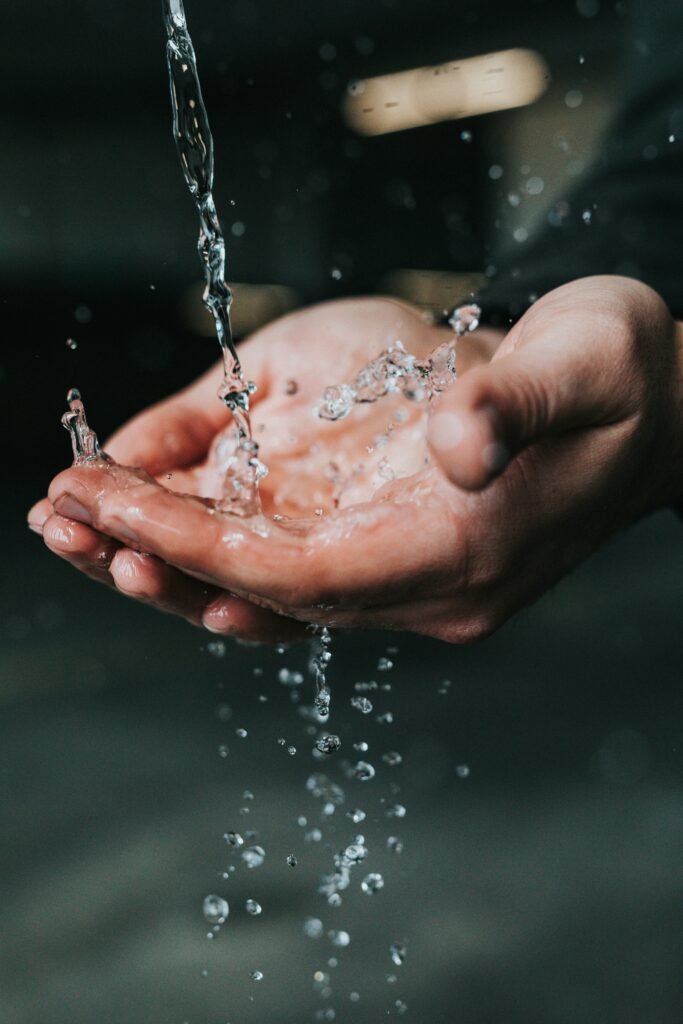
In our ongoing battle against infectious diseases, maintaining a clean and hygienic environment is paramount. This is particularly true when dealing with highly transmissible viruses such as those belonging to the herpes simplex family. These viruses can linger on surfaces, posing a risk of indirect transmission. Consequently, it is crucial to identify which disinfectants are not only effective but also practical for use in various settings. This article aims to shed light on the effective disinfectants capable of neutralizing herpes viruses on surfaces, ensuring the safety and health of individuals in both public and private spaces.
Today we talk about Effective Disinfectants for Eliminating Herpes Viruses on Surfaces.
Effective Disinfectants to Eradicate Herpes Virus
Effective Disinfectants to Eradicate Herpes Virus
When considering the eradication of herpes viruses on surfaces, it’s crucial to understand the nature of the virus and the characteristics that make certain disinfectants more efficacious. Herpes simplex virus (HSV), with its two primary types—HSV-1 and HSV-2, is known for its resilience in the human body, yet its persistence on inanimate surfaces can be significantly curbed with the right cleaning agents. The objective is to select products that can inactivate or destroy the viral particles, thereby preventing the potential for transmission.
To achieve this goal, there are several key factors and ingredients to look for in disinfectants:
– **Alcohol-based Solutions**: Ethanol and isopropanol are common alcohols in disinfectants. They are effective against a wide range of viruses, including herpes viruses, when used in concentrations of 60-90%. These solutions rapidly denature proteins, effectively neutralizing the virus.
– **Bleach**: Sodium hypochlorite, commonly known as bleach, is a potent broad-spectrum disinfectant. It is effective against many pathogens, including the herpes simplex virus, when used in a dilution of 1:32 to 1:10 with water. Bleach works by oxidizing and irreversibly damaging essential components of the virus.
– **Hydrogen Peroxide**: This agent is beneficial for its oxidizing properties, which can disrupt the viral structure. At concentrations of 3% or higher, hydrogen peroxide can be an effective surface disinfectant against herpes viruses.
– **Quaternary Ammonium Compounds**: Also known as quats, these compounds are found in many household and industrial disinfectants. They have surfactant properties and can disrupt viral envelopes, making them effective against enveloped viruses like herpes.
Here is a structured approach to using these disinfectants:
1. **Choose the Right Disinfectant**: Select a product that contains one of the aforementioned active ingredients, ensuring it is suitable for the surface you intend to clean.
2. **Read the Label**: Follow the manufacturer’s instructions regarding dilution, contact time, and safety precautions.
3. **Pre-clean the Surface**: Remove any organic matter or debris to allow the disinfectant to contact the surface directly.
4. **Apply the Disinfectant**: Use the disinfectant liberally, making sure to cover the entire area.
5. **Allow Proper Contact Time**: Give the disinfectant sufficient time to act on the viral particles, as indicated by the product’s instructions.
6. **Wipe or Allow to Air Dry**: Depending on the disinfectant, you may need to wipe the surface or let it dry naturally.
7. **Repeat if Necessary**: In areas of high contact or contamination, repeat the disinfection process regularly.
8. **Dispose of Waste Properly**: Use gloves and dispose of any cleaning materials in a manner that prevents contamination.
To conclude, the selection and application of an effective disinfectant are paramount in the fight against the herpes virus on surfaces. By following these guidelines and using products with proven antiviral properties, individuals and institutions can greatly reduce the risk of transmission associated with contaminated surfaces. Remember to prioritize safety and efficacy to maintain a healthy environment.
Alcohol Effectiveness Against Herpes Virus on Surfaces
Alcohol Effectiveness Against Herpes Virus on Surfaces
When discussing the elimination of herpes viruses from surfaces, the efficacy of various disinfectants is a critical topic. Among these, alcohol-based solutions are commonly utilized due to their broad-spectrum antimicrobial properties. Specifically, we can look at the effectiveness of alcohol in inactivating herpes viruses on various surfaces, which is of paramount importance in settings where sterility and hygiene are crucial, such as in healthcare facilities and homes.
– **Concentration of Alcohol**: The potency of alcohol as a disinfectant against the herpes virus is largely dependent on its concentration. Ethanol (ethyl alcohol) at concentrations between 70% and 90% is generally considered the most effective range for inactivation of many viruses.
– **Contact Time**: The duration that the alcohol is in contact with the surface is also a significant factor. A minimum contact time is usually necessary to ensure the virus is adequately inactivated.
– **Type of Surface**: The material of the surface can affect the disinfection process. Non-porous surfaces like glass or metal are more conducive to disinfection by alcohol, whereas porous materials may absorb the alcohol, reducing its effectiveness.
1. Pre-cleaning: Any organic matter or residue on the surface can inhibit the activity of alcohol. Hence, pre-cleaning surfaces to remove any visible dirt or organic material is recommended before disinfection.
2. Application Method: The method of applying the alcohol, whether by spraying, wiping, or immersing, can influence the disinfectant’s ability to reach and inactivate the virus.
3. Safety Measures: It is important to note that while alcohol is effective, it is also flammable, and safety precautions must be taken during its use.
In the context of the herpes virus, which includes pathogens like Herpes Simplex Virus (HSV) types 1 and 2, and Varicella-Zoster Virus (VZV), alcohol has been shown to be an effective virucidal agent when used properly.
However, it is worth noting that there might be variability in the effectiveness based on the specific strain of the virus and environmental conditions.
To summarize, while alcohol can be a potent disinfectant against the herpes virus on surfaces, the efficacy is influenced by factors such as concentration, contact time, surface type, and application method. Ensuring these parameters are optimized can lead to the effective inactivation of the herpes virus, contributing to infection control measures that are vital for public health.
Vinegar’s Efficacy Against Herpes Virus on Surfaces
Vinegar’s Efficacy Against Herpes Virus on Surfaces
Vinegar, a widely used household item, is often touted for its cleaning and disinfecting capabilities. However, its effectiveness against specific viruses, particularly the herpes virus, is subject to scrutiny and scientific investigation. The herpes virus, responsible for conditions such as cold sores and genital herpes, can persist on surfaces for a certain amount of time, potentially leading to transmission. In the context of effective disinfectants for eliminating herpes viruses on surfaces, it is important to evaluate where vinegar stands.
– Acidity Level: Vinegar is acetic acid, which gives it antimicrobial properties. The acidity of vinegar can disrupt the structure of some microorganisms, but its effect on viruses is less clear-cut.
– Contact Time: The duration that vinegar must remain in contact with a surface to exert any potential antiviral effect is critical. Unlike some commercial disinfectants that are designed to act quickly, vinegar may require a longer contact time to be even marginally effective.
– Concentration: The concentration of vinegar is another element that influences its disinfectant qualities. Household vinegar typically contains 5% acetic acid, but higher concentrations may be necessary to improve its antiviral action.
– Surface Compatibility: Not all surfaces react well to acidic cleaners like vinegar. It’s important to consider the material of the surface being disinfected to avoid damage while attempting to sanitize.
1. **Laboratory Studies**:
Preliminary laboratory studies might shed some light on the antiviral effects of vinegar against various pathogens. However, herpes viruses have unique structural characteristics that may not be as susceptible to the effects of vinegar compared to other, more enveloped viruses.
2. **Comparison to Other Disinfectants**:
When compared to other disinfectants, such as bleach or alcohol-based solutions, vinegar is generally less potent. These alternatives are known to be more effective at inactivating a broader spectrum of pathogens, including the robust herpes virus.
3. **Recommendations for Use**:
Given the uncertainty surrounding vinegar’s antiviral efficacy, it’s not typically recommended as the primary disinfectant for herpes viruses. Instead, public health guidelines suggest using EPA-registered disinfectants that are labeled as effective against herpes simplex virus.
To summarize, while vinegar has some antimicrobial properties, its efficacy against the herpes virus on surfaces is questionable. It is not the most reliable option when the goal is to eliminate herpes viruses effectively. For assured disinfection, it is advisable to resort to products that have been proven to inactivate the herpes virus, ensuring a safer and more hygienic environment.
Lysol’s Efficacy Against Herpes Virus on Surfaces
Lysol’s Efficacy Against Herpes Virus on Surfaces
When considering the eradication of viruses from surfaces, the effectiveness of the disinfectant is paramount. Lysol, a widely recognized brand in the realm of cleaning agents, has a range of products that have been tested and proven to be effective against a myriad of pathogens. The herpes simplex virus (HSV), which causes herpes, is known for its ability to linger on surfaces, posing a risk of indirect transmission. Hence, the selection of a suitable disinfectant like Lysol is crucial in environments where contamination is a concern.
Lysol products contain ingredients, such as ethanol and quaternary ammonium compounds, which are known for their virucidal properties. Here are key points regarding Lysol’s efficacy against the herpes virus on surfaces:
– **Virucidal Action**: The chemical constituents of Lysol disrupt the lipid envelope of the herpes virus, leading to its deactivation. This process prevents the virus from attaching to and entering host cells, effectively halting its spread.
– **Contact Time**: For maximum efficacy, it’s important to follow the recommended contact time on the product label. This ensures that the surface remains wet with the disinfectant for a sufficient duration to inactivate the virus.
– **Surface Compatibility**: Lysol is designed to be safe for use on a variety of surfaces. However, it is always advised to do a spot test on an inconspicuous area to confirm that the product does not cause damage or discoloration.
– **Proper Usage**: To ensure optimal results, surfaces should be cleaned of any visible dirt or grime before the application of Lysol. This allows for direct contact between the disinfectant and the virus.
The following steps outline the recommended procedure for using Lysol to disinfect surfaces potentially contaminated with the herpes virus:
1. **Pre-clean the Surface**: Remove any debris or substances that may shield the virus from the disinfectant.
2. **Apply Lysol**: Spray or apply Lysol to the surface, ensuring complete coverage. For wipes, use enough wipes to keep the surface visibly wet for the duration of the contact time.
3. **Allow Proper Contact Time**: Leave the disinfectant on the surface for the time specified on the product label to ensure the herpes virus is inactivated.
4. **Wipe or Air Dry**: Depending on the product instructions, you may need to wipe the surface down with a clean cloth or allow it to air dry.
5. **Repeat if Necessary**: In areas of high touch or known contamination, repeating the disinfection process may be necessary to maintain a safe environment.
In summary, Lysol can be a highly effective disinfectant for inactivating the herpes virus on surfaces when used correctly. It is important to follow the instructions for use and contact time to ensure efficacy. Regular disinfection with products like Lysol is essential in areas where there is a risk of viral transmission, especially in healthcare settings, homes, and public spaces.
In conclusion, understanding the efficacy of various disinfectants in the battle against herpes viruses on surfaces is essential for maintaining a healthy and safe environment. By considering the information provided, individuals and cleaning professionals can make informed decisions about the products they use and the protocols they follow. It’s crucial to stay updated with the latest recommendations and research findings to ensure the highest standards of hygiene and virus prevention. Thank you for taking the time to read about this important topic.
Wishing you health and safety in all your environments,
Goodbye and take care.