
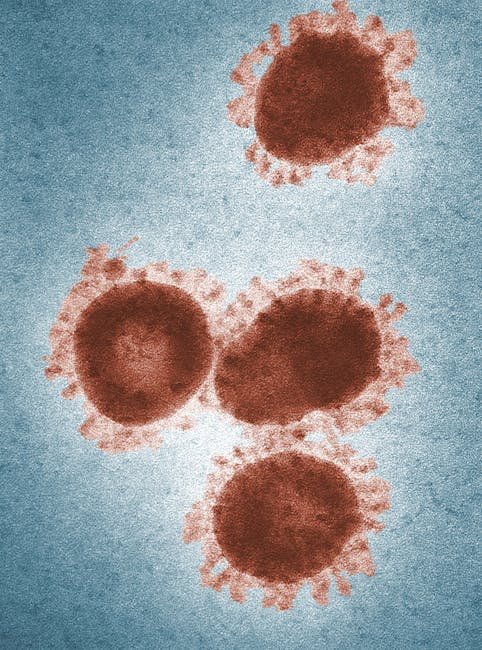
The human immune system is a complex network of cells and proteins that defends the body against infection. While it is designed to fight off a variety of pathogens, certain viruses have evolved sophisticated mechanisms to evade and even exploit this system. Among the most cunning are the herpes viruses, a family of viruses known for their ability to establish lifelong infections. In this article, we delve into the intricate battle between herpes viruses and the immune system, shedding light on how these persistent pathogens manage to dodge immune responses and the implications this has for treatment and prevention. By understanding the interaction between these viruses and our body’s defenses, scientists and medical professionals can develop better strategies to combat them and improve patient outcomes. Join us as we explore the dynamic and sometimes deceptive relationship between herpes viruses and the immune system.
Unraveling the Immune Response to Herpes
Unraveling the Immune Response to Herpes
The human immune system is an intricate network designed to defend against various pathogens, including viruses like herpes. Understanding the interaction between herpes viruses and the immune system is essential for developing effective treatments and preventive strategies. Herpes viruses, which cause ailments ranging from cold sores to more severe conditions, have evolved mechanisms to evade and manipulate the immune response to ensure their survival and persistence within the host.
Here are the key aspects of the immune response to herpes:
– **Innate Immunity**: This is the body’s first line of defense against herpes viruses. It includes barriers such as the skin and mucous membranes, as well as cells like natural killer (NK) cells and macrophages. These components act swiftly upon detection of the virus.
1. **Recognition**: Pathogen recognition receptors (PRRs) detect viral components, triggering an immune reaction.
2. **Inflammation**: The release of cytokines and chemokines leads to an inflammatory response, which helps control the spread of the virus.
– **Adaptive Immunity**: This second line of defense is more specialized and includes T cells and B cells.
1. **T cells**: Cytotoxic T lymphocytes (CTLs) target and eradicate virus-infected cells. Helper T cells bolster the immune response by secreting factors that enhance the activity of CTLs and B cells.
2. **B cells**: They produce antibodies that neutralize the virus and prevent its entry into cells.
Herpes viruses have developed numerous stratagems to circumvent these immune defenses:
– **Latency**: Herpes viruses can enter a dormant state, eluding immune detection by minimizing viral protein expression.
– **Immune Evasion**: They produce proteins that interfere with antigen presentation to T cells, inhibiting the adaptive immune response.
– **Modulation of Host Defenses**: Herpes viruses can manipulate cytokine and chemokine networks to create an environment conducive to their survival.
To further comprehend the immune response to herpes, researchers are examining:
1. The role of immune system memory in controlling herpes reactivation.
2. Ways in which herpes viruses affect the function of immune cells.
3. The potential for vaccines to elicit lasting and effective immunity against herpes.
In conclusion, the battle between herpes viruses and the immune system is a dynamic and ongoing conflict. By deepening our grasp of this intricate interplay, we stand a better chance of thwarting these persistent pathogens. Continued research in this field is critical for the advancement of medical interventions that could alleviate the burden of herpes-related diseases.
Caffeine’s Link to Herpes Outbreaks Examined
Caffeine’s Link to Herpes Outbreaks Examined
When delving into the potential connection between caffeine and herpes outbreaks, it’s vital to comprehend the intricate interplay between herpes viruses and the immune system. Herpes viruses, such as Herpes Simplex Virus 1 and 2 (HSV-1 and HSV-2), can lie dormant in the body for extended periods before reactivating and causing symptoms. Several factors can trigger these reactivations, including stress, illness, and, as some studies suggest, certain substances like caffeine.
To understand this relationship, one must consider the following points:
– The immune system plays a pivotal role in suppressing herpes viruses. When functioning optimally, it can keep the virus in a latent state, preventing outbreaks.
– Caffeine is a stimulant commonly found in coffee, tea, chocolate, and some medications. It has the potential to influence the immune system by increasing cortisol levels, which may suppress immune function and lead to an outbreak.
Here are some key aspects to consider when examining the possible link between caffeine and herpes outbreaks:
1. Stress Hormones:
– Caffeine consumption can elevate the body’s stress hormones, such as cortisol.
– Elevated cortisol can weaken the immune response, potentially allowing the herpes virus to reactivate.
2. Immune Response:
– A robust immune system is crucial in managing herpes virus latency.
– Substances that modulate immune function, such as caffeine, could theoretically influence the frequency of herpes outbreaks.
3. Research Evidence:
– Some studies suggest a correlation between high caffeine intake and increased frequency of herpes outbreaks, but the evidence is not conclusive.
– Further research is needed to clarify the extent and mechanisms of caffeine’s effect on herpes virus reactivation.
4. Individual Differences:
– People metabolize caffeine differently, and its effects on the immune system can vary from person to person.
– Some individuals might be more sensitive to the potential immunomodulatory effects of caffeine.
In conclusion, the link between caffeine and herpes outbreaks is an area ripe for further investigation. While caffeine may have the potential to influence the immune system and trigger herpes reactivation in some individuals, the relationship is not fully understood and may be subject to personal variations. Those concerned about this connection may consider moderating their caffeine intake and monitoring their response to see if it impacts the frequency or severity of their herpes outbreaks.
Herpes Simplex Virus: Master of Immune Evasion
Herpes Simplex Virus: Master of Immune Evasion
The Herpes Simplex Virus (HSV), comprising two distinct subtypes HSV-1 and HSV-2, is a pervasive pathogen that has coevolved with humans over millions of years. This prolonged coexistence has enabled the virus to develop intricate mechanisms to bypass and manipulate the host’s immune defenses, establishing it as a master of immune evasion. Understanding the complex interplay between HSV and the immune system is crucial for developing effective therapies and vaccines.
At the heart of HSV’s evasion strategy is its ability to establish latency, a dormant state where the virus hides within host neurons, effectively invisible to the immune system. During latency, the virus is able to persist for the lifetime of the host, with intermittent episodes of reactivation that can cause symptomatic disease or asymptomatic viral shedding.
Here are some key evasion tactics employed by HSV:
– Downregulation of MHC Class I Molecules: HSV produces proteins that interfere with antigen presentation, reducing the ability of infected cells to present viral peptides on their surface, which in turn hampers cytotoxic T lymphocyte recognition and elimination of infected cells.
– Inhibition of Apoptosis: The virus can inhibit programmed cell death in infected cells, allowing for sustained viral replication and avoidance of cellular mechanisms that typically destroy virus-infected cells.
– Modulation of Cytokine Production: HSV can modulate the host immune response by altering cytokine production, thereby skewing the immune response in a way that is conducive to its survival and propagation.
– Interference with Immune Cell Function: The virus can impair the function of various immune cells, including natural killer cells and dendritic cells, which are essential for initiating immune responses and presenting antigens to T cells.
To further elucidate the interplay between HSV and the immune system, here are several critical points:
1. Initial Invasion: During the primary infection, HSV swiftly enters mucosal surfaces or skin breaches. The innate immune system is the first to respond, employing interferons and natural killer cells to combat the virus.
2. Counteracting Innate Defenses: HSV secretes proteins that can block interferon signaling and evade natural killer cell activity, thereby dampening the innate immune response.
3. Adaptive Immunity Suppression: When the adaptive immune system engages, HSV has tricks to evade the heightened response, including the secretion of immunomodulatory proteins that can inhibit T-cell and antibody responses.
4. Reactivation and Spread: The ability of HSV to reactivate from latency allows it to re-emerge and spread, often when the host’s immune system is compromised or stressed, exploiting periods of vulnerability.
The interaction between HSV and the immune system is a testament to the virus’s evolution, showcasing a sophisticated balance of attack and retreat that enables its survival within the host. Unraveling these complex mechanisms is critical for the development of medical interventions that can either boost the immune system’s ability to control the virus or target the virus’s evasion strategies directly. This ongoing battle between the virus and the host’s defenses underscores the necessity for innovative research and therapeutic approaches to manage HSV infections and mitigate their impact on human health.
Unlocking the Mystery: What Deactivates Herpes Virus
Unlocking the Mystery: What Deactivates Herpes Virus
The herpes virus is a pervasive pathogen known to cause various infections, from cold sores to genital herpes. An intriguing aspect of this virus is its ability to enter a dormant state, lying latent within the host’s body, and then unexpectedly reactivate. Understanding what deactivates or suppresses this virus is of immense importance to medical science and those affected by its recurring nature.
To comprehend the mechanisms that deactivate the herpes virus, one must delve into the complex interplay between the virus and the immune system. Here are some key factors in this interaction:
– Immune Surveillance: The immune system constantly patrols the body for foreign invaders, including viruses. When the herpes virus is active, immune cells seek out and destroy infected cells to contain the spread.
– Latency: After an initial outbreak, the herpes virus can retreat to nerve cells where it remains hidden from the immune system. This latent state is a form of deactivation where the virus is present but not actively replicating or causing symptoms.
– Immune Evasion: The herpes virus has evolved strategies to evade the immune response, such as producing proteins that inhibit immune functions. Understanding these tactics is crucial for developing treatments to keep the virus deactivated.
– Stress and Immune Function: Physical or emotional stress can weaken the immune system, often leading to the reactivation of the virus. Stress management might help in maintaining the virus in its dormant state.
Research has identified several factors that can trigger the reactivation of the herpes virus:
1. Immune Suppression: When the immune system is compromised, such as by illness, stress, or immunosuppressive drugs, the virus may seize the opportunity to reactivate.
2. Neuronal Factors: Specific conditions within the neurons, like changes in local immune responses or neuronal signaling, can influence the virus’s transition from latency to reactivation.
3. Hormonal Changes: Fluctuations in hormones, especially during menstrual cycles, can affect viral activity.
4. Environmental Triggers: Ultraviolet radiation from sunlight, physical trauma, or other environmental factors can prompt the virus to emerge from dormancy.
In summary, the herpes virus is deactivated primarily through the actions of the immune system, which can recognize and destroy active virus particles while keeping latent ones in check. However, due to the virus’s ability to evade immune detection and the influence of external and internal triggers, it can reactivate and cause recurrent infections. By further understanding the intricacies of the immune response to herpes and the factors that cause its reactivation, scientists hope to develop better strategies to control or even prevent outbreaks, ultimately unlocking the mystery of this persistent virus.
We hope this article has provided valuable insights into the complex dance between herpes viruses and the immune system. Understanding these interactions is key to developing better treatments and preventative strategies. As research continues to evolve, we look forward to a future where we can manage these infections more effectively and improve the quality of life for those affected.
Thank you for taking the time to read about this fascinating aspect of virology and immunology. We invite you to stay tuned for more articles that delve into the intricacies of human health and disease. If you have any questions or would like to discuss the topics further, please do not hesitate to reach out.
Wishing you wellness and a wealth of knowledge,
Your dedicated editorial team.