
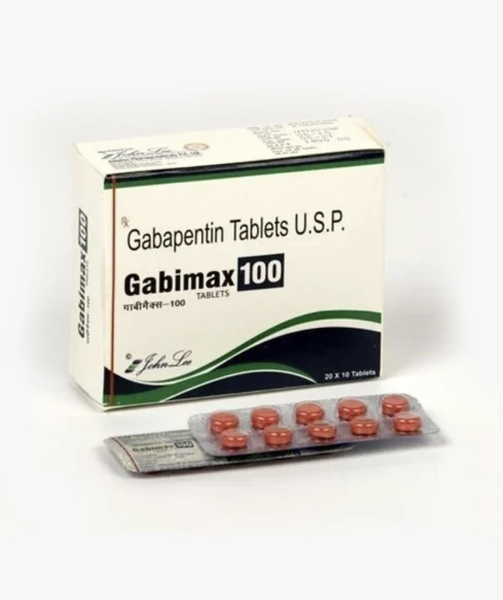
Gabapentin Capsules 100 mg: Complete Guide to Uses, Dosage, and Safety
Gabapentin Capsules 100 mg are a prescription medication used to manage neuropathic pain and seizure disorders. Their active ingredient, gabapentin, belongs to the anticonvulsant class and works by stabilizing nerve activity in the brain and spinal cord, reducing pain signals and helping prevent seizures.
What Gabapentin Capsules 100 mg Are Used For
Gabapentin 100 mg capsules are commonly prescribed for:
Treating nerve-related pain, such as diabetic neuropathy and postherpetic neuralgia
Managing partial seizures in adults and children
Supporting therapy for other chronic nerve pain conditions as advised by a healthcare provider
By modulating nerve signaling, gabapentin helps decrease pain intensity, prevent seizure episodes, and improve overall quality of life.
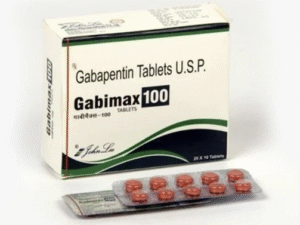
Gabimax 100mg contains gabapentin, a medication that belongs to the class of anticonvulsants. While gabapentin does not act directly against the herpes simplex virus (HSV-1 or HSV-2), it can be prescribed in cases related to herpes because of its effect on the nervous system.
In people with herpes, especially herpes zoster (shingles) or recurrent herpes outbreaks, nerve pain can develop — sometimes leading to a complication called postherpetic neuralgia. This is long-lasting nerve pain that remains even after the visible herpes sores have healed.
Gabimax (gabapentin) works by:
Calming overactive nerve signals that cause burning, tingling, or shooting pain after herpes outbreaks.
Reducing nerve hypersensitivity, which helps relieve discomfort.
Improving quality of life for patients dealing with chronic pain following herpes infections.
👉 Important: Gabimax 100mg is not an antiviral drug. It does not kill or suppress the herpes virus itself. Instead, it is used to manage nerve pain associated with herpes, usually in combination with antiviral medications like acyclovir, valacyclovir, or famciclovir that target the virus directly.
Active Ingredient
Gabapentin 100 mg – interacts with calcium channels in the nervous system to reduce the release of neurotransmitters involved in pain and seizure activity.
How to Take Gabapentin Capsules 100 mg
Take the capsules orally with or without food, exactly as prescribed.
Dosage and schedule depend on the patient’s condition, age, and kidney function.
Do not stop taking gabapentin abruptly; tapering should be done under medical supervision.
Maintain proper hydration and report any unusual symptoms to your healthcare provider.
Safety Information & Side Effects
Inform your doctor if you have kidney disease, a history of mood disorders, or are pregnant/breastfeeding.
Common side effects: dizziness, drowsiness, fatigue, or mild swelling in extremities.
Rare but serious side effects may include allergic reactions, severe mood changes, or coordination problems. Seek immediate medical attention if these occur.
Key Benefits of Gabapentin Capsules 100 mg
Effective for managing neuropathic pain and partial seizures
Supports improved daily functioning and overall quality of life
Flexible dosing tailored to individual patient needs
Clinically validated safety and efficacy
Disclaimer: This article is for educational and SEO purposes only. It does not replace professional medical advice. Always consult a licensed healthcare provider before starting, adjusting, or stopping any medication.
Reviews
There are no reviews yet.